Vietnam 1970-1971
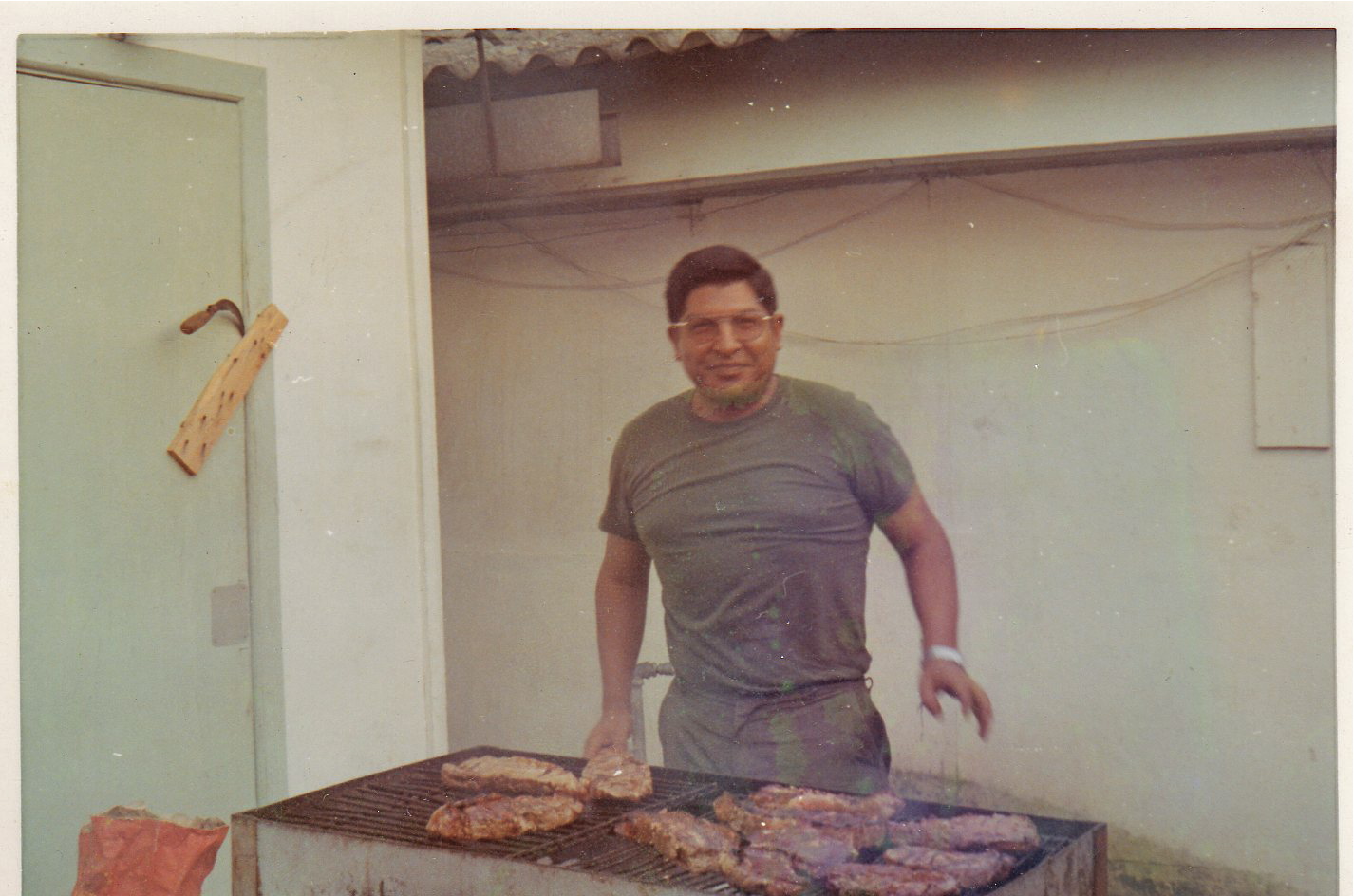
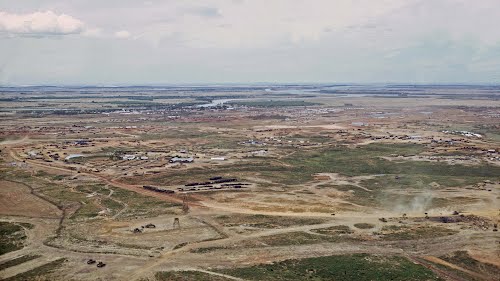
Tuy Hoa and Tan Son Nhut
Tuy Hoa 1970-1971
In July 1970, we left San Antonio, Texas, and headed to California so I could settle my family near Madeline’s parents while I served my tour in Vietnam.
When my thirty days of leave were up, Madeline, along with her mom and dad, drove me to the airport from their home in Wilmington, California. It wasn’t far, but the drive felt much longer than usual. The farewell was somber yet appropriately composed, as was typical for a military family. There were no tears or emotional displays—just quiet strength and understanding.
From Los Angeles, I flew north to McChord Air Force Base in Washington, my point of departure for Southeast Asia. My uncle Ralph “Kayo” picked me up at the airport, and I stayed overnight at his home in Bellevue. The next morning, he drove me to McChord, where we said our goodbyes. I was grateful for his kindness, it gave me a small sense of home before heading into the unknown.
Inside the terminal, I reported to a sergeant who was organizing a group of men bound for Vietnam. After a while, several of us were gathered and led to an orientation room where we received preliminary instructions and paperwork. Soon after, we were told to stand by for departure, once again experiencing the military’s famous “hurry up and wait.”
On August 17, 1970, we finally boarded a regular civilian airliner, a Boeing 707. Our first stop was Hawaii, where we remained on board. The next was Okinawa, where we were allowed to stretch our legs in the terminal before reboarding for the final leg.
When we landed at Tan Son Nhut Air Base, I felt the weight of the moment, we had arrived in Tan Son Nhut AFB Vietnam. As I stepped off the plane, a blast of heat and smells hit me like a furnace. For a moment, I could hardly breathe. The air was thick, heavy, and suffocating. I thought to myself, If it’s like this every day, I’m done for. But the human body is an amazing machine, it adapts. Within a few days, I had adjusted, though I never forgot that first overwhelming blast of tropical air.
At the orientation hangar, I was told I’d be flying to Cam Ranh Bay, and from there to Tuy Hoa Air Base, my assigned duty station. The next day, I boarded a C-123 twin-engine aircraft for the short flight to Cam Ranh Bay in the central highlands.
I was assigned a bed in the transit barracks near the airfield while awaiting the next flight to Tuy Hoa. That night in Cam Ranh became my unwelcome introduction to Vietnam, the base came under mortar and rocket attack. Confused and terrified, I didn’t know what to do until a sailor waiting for transport to Saigon shouted, “Hit the deck!” The next morning, I caught my flight to Tuy Hoa, once again aboard a C-123. Little did I know then, I’d be flying in C-123s and Huey helicopters for most of my time in country.
To my surprise, Tuy Hoa Air Base looked almost like any stateside base, older, perhaps, but well-kept. The roads were paved, the buildings solid, and there was even a movie theater, a gym, and a large Base Exchange. The barracks had real bunk beds and running water in the latrines, a touch of civilization I hadn’t expected.
The base sat on a flat, sandy plain near the South China Sea, bordered to the west by a chain of low mountains about seven miles away. Between the base and those hills lay miles of rice paddies dotted with small villages. The Viet Cong operated from both the mountains and some of those villages, keeping everyone alert at all times.
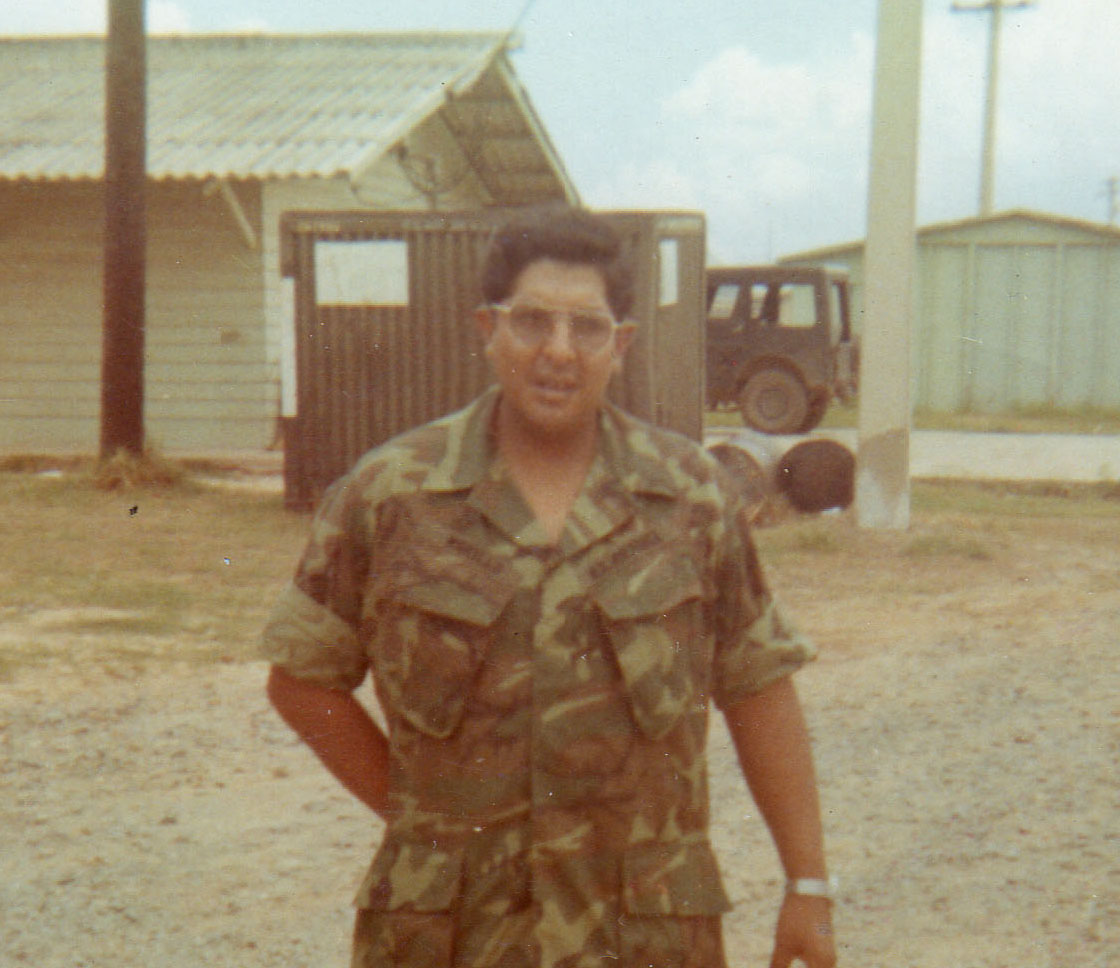
I reported in and was assigned living quarters, my hooch was a bit more rundown than the others, but it would do. I received my flak jacket, steel helmet, pistol, and M-16 rifle, and was shown where the ammunition and grenades were stored.
At work, I met my fellow airmen, more than I expected. We had one senior master sergeant, one master sergeant, one tech sergeant, two staff sergeants, and about ten airmen. I thought we were overmanned, as there wasn’t enough work to keep everyone busy. I was assigned as the Security NCO, responsible for safeguarding classified documents in the operations office. I didn’t work directly with the computer systems, which were small RCA card-and-plugboard units, but I was also tasked with delivering classified documents to the MACV Advisory Group located about fifteen miles north in Tuy Hoa City.
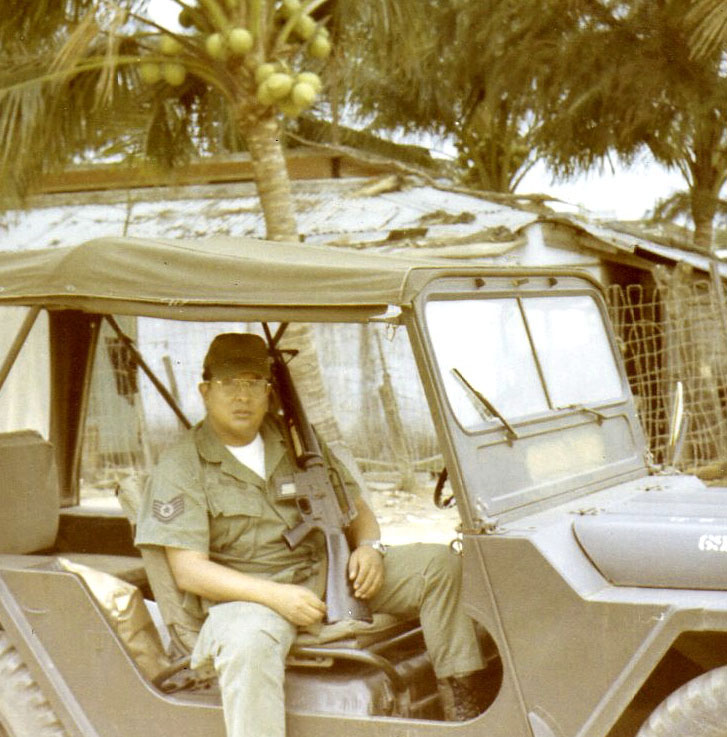
Our transport varied between a jeep and a Chevy van, always armed and ready. The most tense moments came when crossing the bridge manned by ARVN (South Vietnamese Army) guards, they sometimes hassled us until my gunners aimed their weapons, at which point they quickly stood down.
By late 1970, the Air Force began phasing down operations at Tuy Hoa, preparing to turn the base over to the U.S. Army. I helped inventory equipment and escort shipments of classified material to other bases aboard C-123s, C-130s, C-7 Caribous, and helicopters.
My scariest moment came when a Huey carrying me back to Tuy Hoa was diverted to pick up wounded soldiers from a camp under attack. We came in hot, landed under fire, loaded three wounded men, and lifted off within minutes, though it felt like hours. Bullets tore through the air. It was terrifying. I’ll never forget the courage of those aircrews who did that kind of mission day after day.
I arrived in late August 1970, and by October 15, the 31st Tactical Fighter Wing had redeployed to the United States. The Army soon moved in units from the 4th Infantry Division at Pleiku, along with their aviation units from Phu Hiep Airfield. By January 1971, the base was officially handed over and renamed U.S. Army Airfield, Tuy Hòa.
Tan Son Nhut - 1971
In late January 1971, I received orders to report to Headquarters, 7th Air Force, at Tan Son Nhut Air Base in Saigon. Two days later, I was aboard a C-130 heading south.
Tan Son Nhut was enormous and constantly buzzing with activity. After navigating the chaos, I found my squadron and checked in. The base looked fairly modern, with good facilities and solid infrastructure. Unfortunately, I was assigned quarters in the old French section, where the hooches were ancient and barely standing, probably held up by the sandbags piled along their walls.
Once I settled in, I reported to my duty station, and that was a pleasant surprise. The building was air-conditioned, clean, and comfortable, almost like being back in the States. My boss was a Senior Master Sergeant, and our commander a full Colonel. Alongside eight other sergeants, we operated the Intelligence Data Handling System (IDHS), a secure facility responsible for collecting, processing, and distributing intelligence and targeting data to authorized Air Force and allied units.
I was also designated as a classified courier, responsible for escorting and delivering sensitive materials, Vietnamese currency, and other documents to units across the country. It wasn’t glamorous, in fact, it was a dangerous and thankless job. My boss was also a courier, though he never seemed to enjoy the flights any more than I did. Each time we made a combat landing, he’d grip his seat and mutter, “Why do they have to do that?” And I’d always answer, “So the bad guys have a harder time hitting us on approach.”
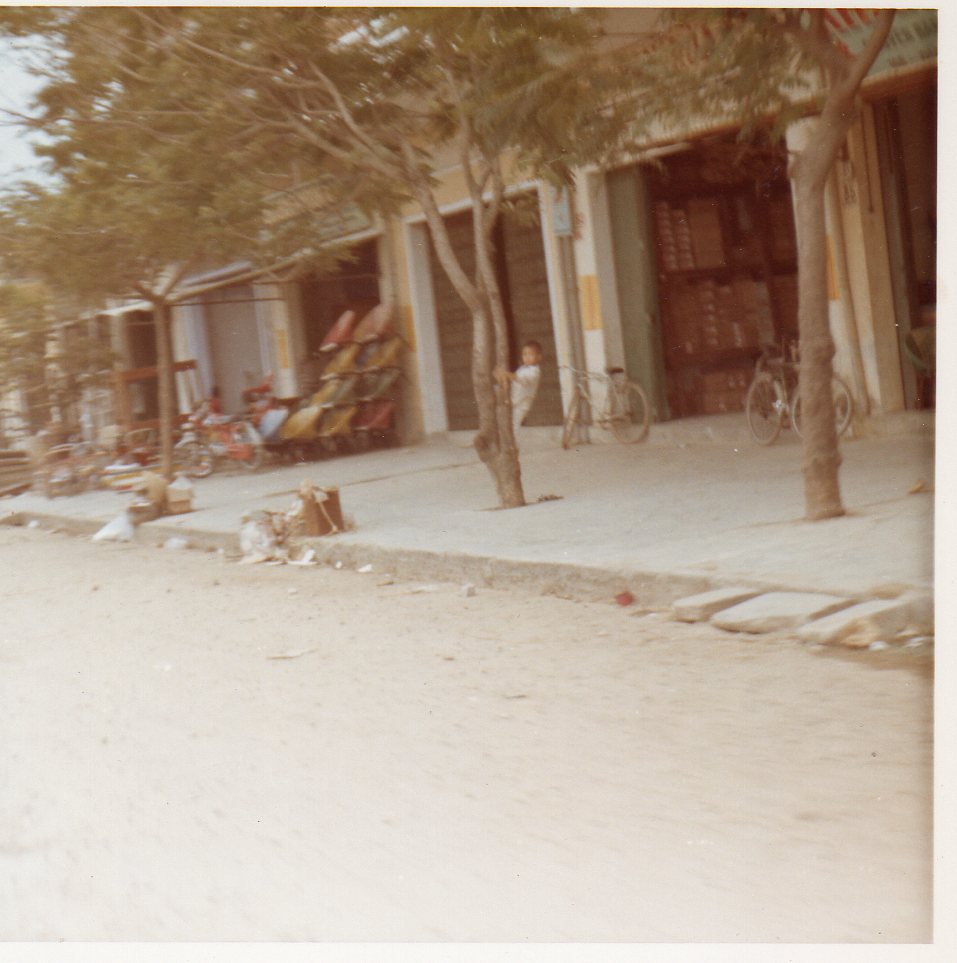
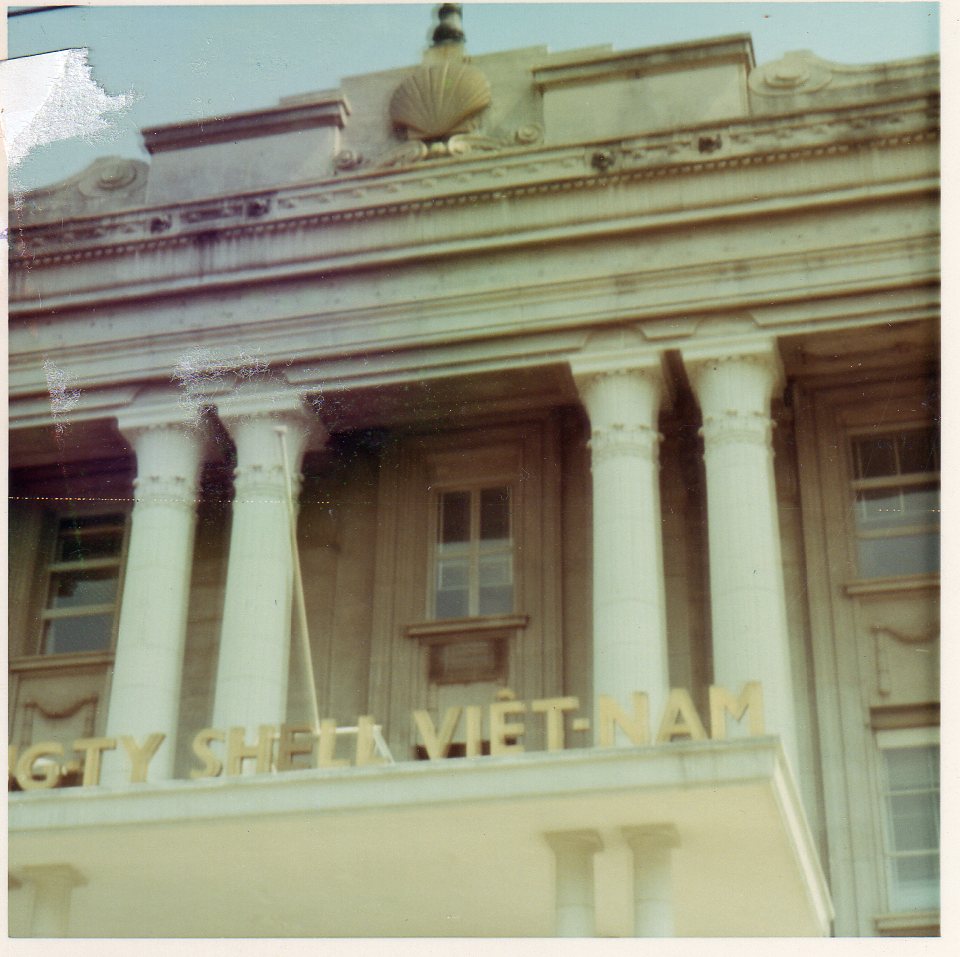
Despite the dangers, life at Tan Son Nhut wasn’t bad. We had access to Saigon, with its restaurants, nightlife, and history. On base, we enjoyed a well-stocked NCO club, a movie theater, bowling alley, and dining hall. I only ventured into downtown Saigon four times during my assignment, preferring the relative safety of the base.
Looking back, Vietnam was a strange mix of war and normalcy, one day you were bracing through a combat landing, and the next, sitting down for a steak dinner and a movie.
I had finally completed my year in Vietnam, and on August 18, 1971, I was on my way back to March Air Force Base, California, aboard a Douglas DC-8. My father-in-law picked me up at the airport and drove me to Wilmington, where I reunited with my family. After spending two wonderful weeks together, we packed up and headed to my new assignment at Headquarters, Air Force Accounting and Finance Center (HQ Command) in Denver, Colorado.