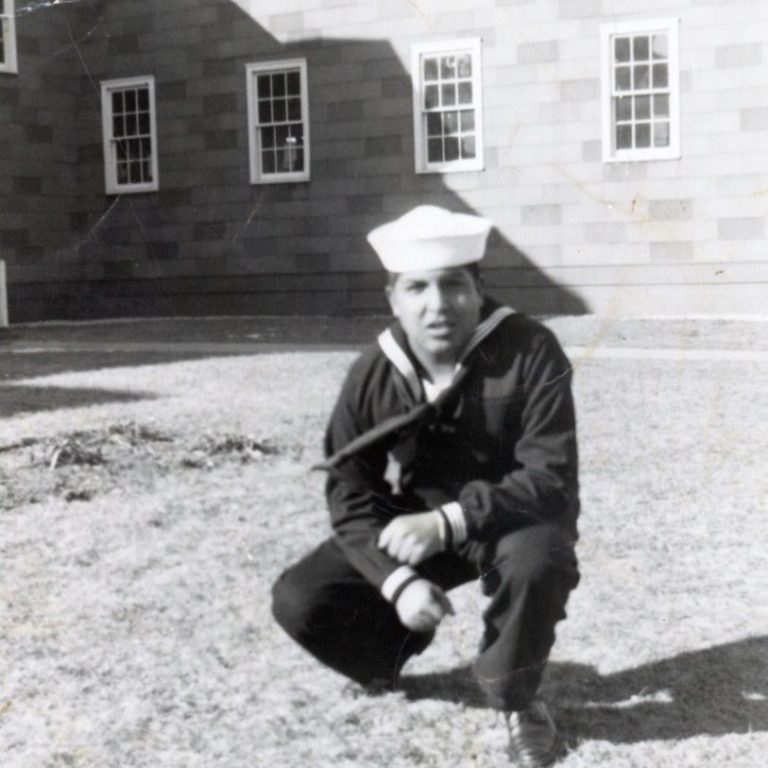
As I stood at the threshold of my childhood home, a whirlwind of emotions surged through me. Leaving home for the first time felt surreal; I was filled with excitement and a hint of anxiety as I prepared to embark on my new adventure at Navy boot camp. The familiar sights and sounds of my neighborhood played in my mind like a nostalgic soundtrack, but the promise of what lay ahead,a world of challenge, growth, and discipline,was far more intoxicating. With a deep breath, I took my first step into the unknown, ready to embrace everything the Navy had to offer, and forge my own path in life.
U.S. Navy
Great Lakes, Illinois
There was no easing into Navy life. The transition from civilian to sailor began the moment we stepped off the bus. Our identities were stripped down, and we were rebuilt, physically, mentally, and emotionally, into men who would serve something bigger than ourselves. Everything was fast-paced and orderly. You didn’t have time to question or hesitate. If you did, someone was yelling in your face.
Not long into boot camp, I was appointed company clerk, which came as a surprise. The role also came with the title of company petty officer, and it meant I had real responsibilities, keeping track of company paperwork, helping maintain order among the recruits, assisting the company commander, and acting as a liaison between the men and the recruit officers. Suddenly, I wasn’t just another recruit. I was someone others turned to for guidance, answers, and example. It was intimidating, but also a confidence builder. For the first time, I started to see myself as a leader.
The days were long and intense. We rose before sunrise and went straight into physical training, followed by uniform and locker inspections, marching drills, and classroom instruction. I remember learning how to make a bed the Navy way, how to spit-shine my boots to a perfect gleam, and how to stand perfectly still while being inspected. Any mistake, no matter how small, meant extra push-ups, laps, or cleaning duty. We learned quickly that discipline was everything. You either adapted or you were left behind.
At first, I felt like an outsider. I was one of the few Latino recruits in my company, and I had never been so far from home. The accents, backgrounds, and attitudes of the other men were completely new to me. There were kids from New York, the Deep South, the Midwest, and the West Coast. But as we worked, sweated, and suffered together, the walls between us began to fall. We were no longer just a group of individuals, we were a unit. A brotherhood was forming, and for the first time, I felt a part of something greater than myself.
Boot Camp, Great Lakes, Illinois
Arriving at Boot Camp in Great Lakes, Illinois, felt like stepping onto another planet. The change was immediate and jarring. One day I was in Scottsbluff, surrounded by the barrio and the familiar voices of family and friends, and the next I was standing in line with strangers, getting my head shaved, being issued uniforms, and learning to answer every command with a sharp “Aye, Aye Sir !”

The Great Lakes Naval Training Center was designed to break down civilian habits and instill military precision. Every part of our training had a purpose. Among the key areas:
- We were drilled on Navy ranks, customs, and courtesies, and taught to follow the chain of command without question.
Navy Training
- Physical fitness was a constant. We ran, did calisthenics, and practiced coordinated marching in formation.
- Everyone had to pass a basic swim test. I wasn’t the strongest swimmer, so this was one of my tougher challenges, but I passed. We followed that with water survival training, how to float, how to save others, and how to survive if we ever found ourselves in open sea.
- We studied Naval history, learning about battles, heroes, and the core values of honor, courage, and commitment.
- We learned basic seamanship: knot-tying, navigation basics, and how to operate shipboard equipment.
- Damage control training taught us how to fight fires and respond to shipboard emergencies.
- We trained with small arms, including the M1 Garand and the .45-caliber pistol, learning how to handle, clean, and fire them with care and respect.
- As company clerk, I helped coordinate everything, from schedules to morale. I had to know who was struggling, who needed extra help, and who was stepping up.
.
Everything was scored and reviewed—how we walked, talked, stood at attention, folded our laundry. There were no shortcuts, and if you wanted to graduate, you had to prove yourself. Boot camp wasn’t just training, it was transformation.
Looking back, boot camp was where I truly became a man. I learned to push through pain, fear, and doubt. I learned to lead, to be accountable, and to earn respect. More than anything, I learned that I was capable of more than I had ever believed growing up in the barrio. The Navy didn’t just give me a job, it gave me a new identity.
Radar School and First Deployment
After graduation, I was given a well-earned two-week leave. I went home, proud and full of stories. My uniform fit perfectly, and my family could see the change in me. Even my father, who hadn’t been happy about me joining, showed pride in my accomplishment.
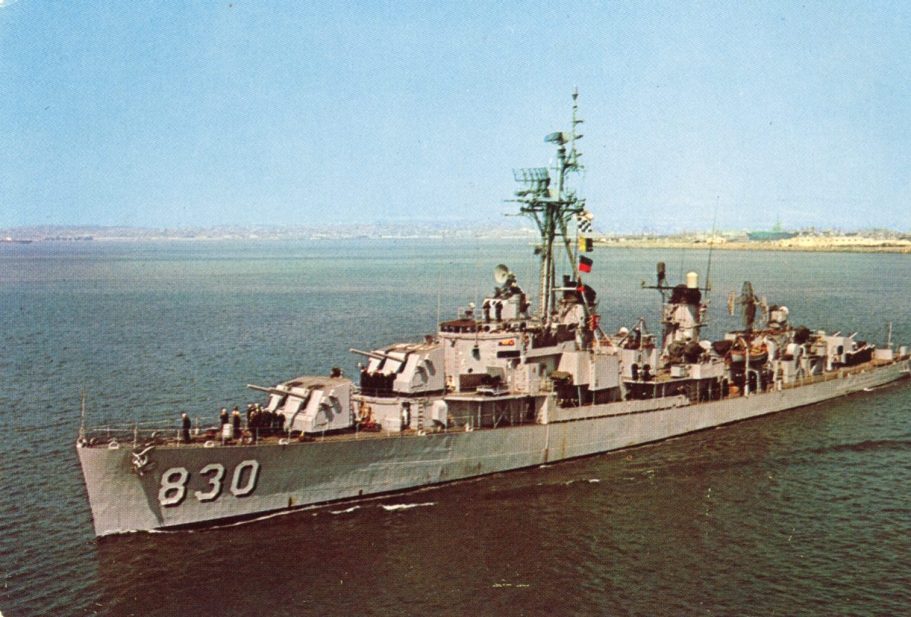
I was assigned to attend Radar School in Norfolk, Virginia, but just before I reported, my orders changed. The radar class was full, and I would have to wait twelve weeks for the next opening. Rather than delay, the Navy reassigned me to my first ship, the USS Everett F. Larson (DDR-830), and I was told to report to Newport, Rhode Island.
Once aboard the ship, things moved quickly. We went to sea on a five-week training cruise to the Caribbean and South America. It was my first time truly experiencing the vastness of the ocean and life at sea. I remember standing on deck, watching the sun rise over open water, feeling the ship cut through waves, and knowing I was part of a global mission.
After we returned to Newport, I finally received word that a new radar class was opening. My shipmate Henschel and I were sent back to school. Radar School was technical and demanding, but I did well. Learning to track enemy targets, read screens, and understand electronics was like learning a whole new language. After graduation, we rejoined the Larson, ready to serve with our new skills. On our arrival abord ship we would prepare for our deployment to the Mediterranean, this would be a verry busy and exciting time for us new Navy Boots.
USS Everett F. Larson (DDR-830)
The USS Everett F. Larson was a sleek and powerful Gearing-class destroyer, 390 feet long and built for speed and agility. She was part of Destroyer Squadron 10, Division 102, assigned to the Atlantic Fleet.
She had a proud record, having served on seven Mediterranean tours with the 6th Fleet, participated in NATO exercises, and conducted antisubmarine warfare operations along the East Coast. She also trained extensively in the Caribbean and South America, always ready to respond to Cold War threats. I was so lucky to have visited some of the most historic sites in Europe. Italy, France, Greece and Spain just to name a few, it was an experience that I will never forget.
In February 1956, after our return from the Mediterranean, we sailed to New York Naval Shipyard for a full overhaul. I remember watching her stripped down and rebuilt, a reminder that even the strongest ships need maintenance and care.
After the overhaul, we headed to Guantanamo Bay, Cuba, for refresher training. Then we received new orders, transfer to the Pacific Fleet.
Long Beach CA
On June 28, 1956, we arrived in Long Beach, California, our new home port.
Now part of the Pacific Fleet, we trained off the coasts of California and Washington, preparing for deployment to the Far East. In 1957, we crossed the Pacific and served on patrol duty on the Formosa Straits, conducted exercises near Okinawa, and visited the Philippines, Okinawa, Formosa, Japan, China, Indonesia and some Islands and Atolls along the way. We also operated as escort and plane guard for aircraft carriers of Task Force 77, a critical part of naval aviation operations.
That same year, the Larson was awarded multiple honors: - Engineering and Damage Control Efficiency Award - Anti-Submarine Warfare “E” - Operations “E”.
I was proud to serve on such a distinguished ship. The crew was tight-knit, professional, and driven. I had grown into my role and was respected. I wasn’t the uncertain recruit from Scottsbluff anymore, I was a sailor.
Final Duty and Discharge
In November 1957, I received temporary duty orders to serve aboard the USS Columbus (CA-74) as part of Cruiser Division 3 flag staff. It was a different experience, larger ship, different pace, but I handled my duties with the same pride and dedication. I was also very proud to received a letter of commendation from the Admiral.
When I returned to the Larson, I was presented with a choice: would I like to accept an early separation from active duty? I had completed my obligation, and the opportunity to transition back to civilian life was there. After some thought, I said yes.
On December 17, 1957, I was officially separated at Long Beach Naval Station. I was no longer a sailor, I was a civilian once again. But I was changed. The Navy had given me direction, pride, and a belief in my own potential.
It was the end of one journey and the beginning of another.
Starting Over
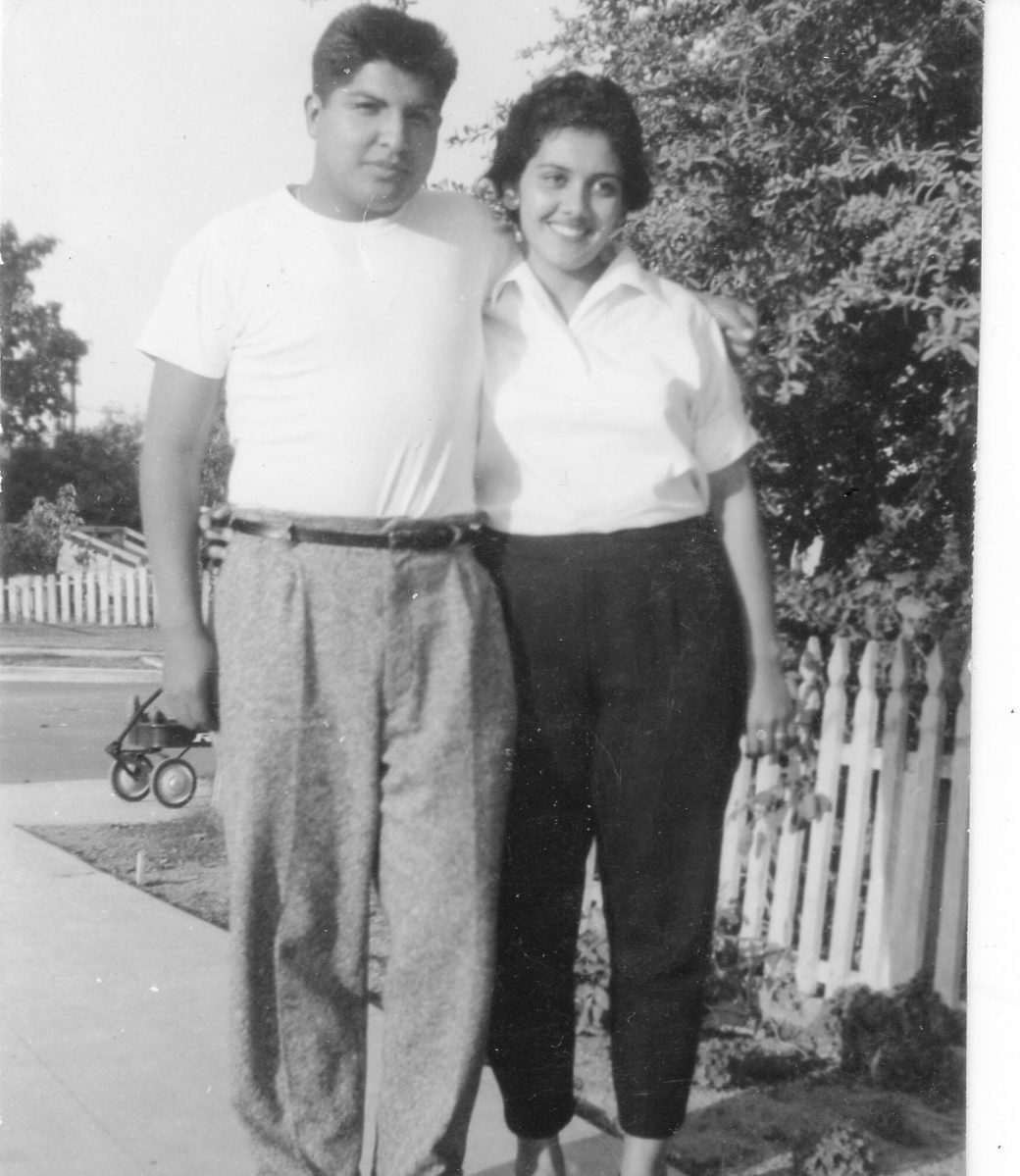
In 1957, after completing my time in the Navy, I did not go back to Scottsbluff. Instead, I set my sights on California. During my time in the service, I had met a wonderful girl from Wilmington, California. We had talked about getting married, and I knew that if I wanted to build a future with her, I would have to find stable work. But civilian life wasn’t as easy as I had imagined. The country was in the middle of an economic recession, and jobs were hard to come by.
A little background, Jenny and August Garcia were from Scottsbluff but had moved to San Pedro, California. John Estrada (USMC), Jim Tafoya (USMC), Stanley Poras (USMC), my brother Fred (USN), and I (USN) would often crash at the Garcias’ place when we were off duty. My brother Fred was engaged to Dolores Garcia, Richard’s sister. The Garcia family and Madeline’s family were close friends and often attended social functions together.
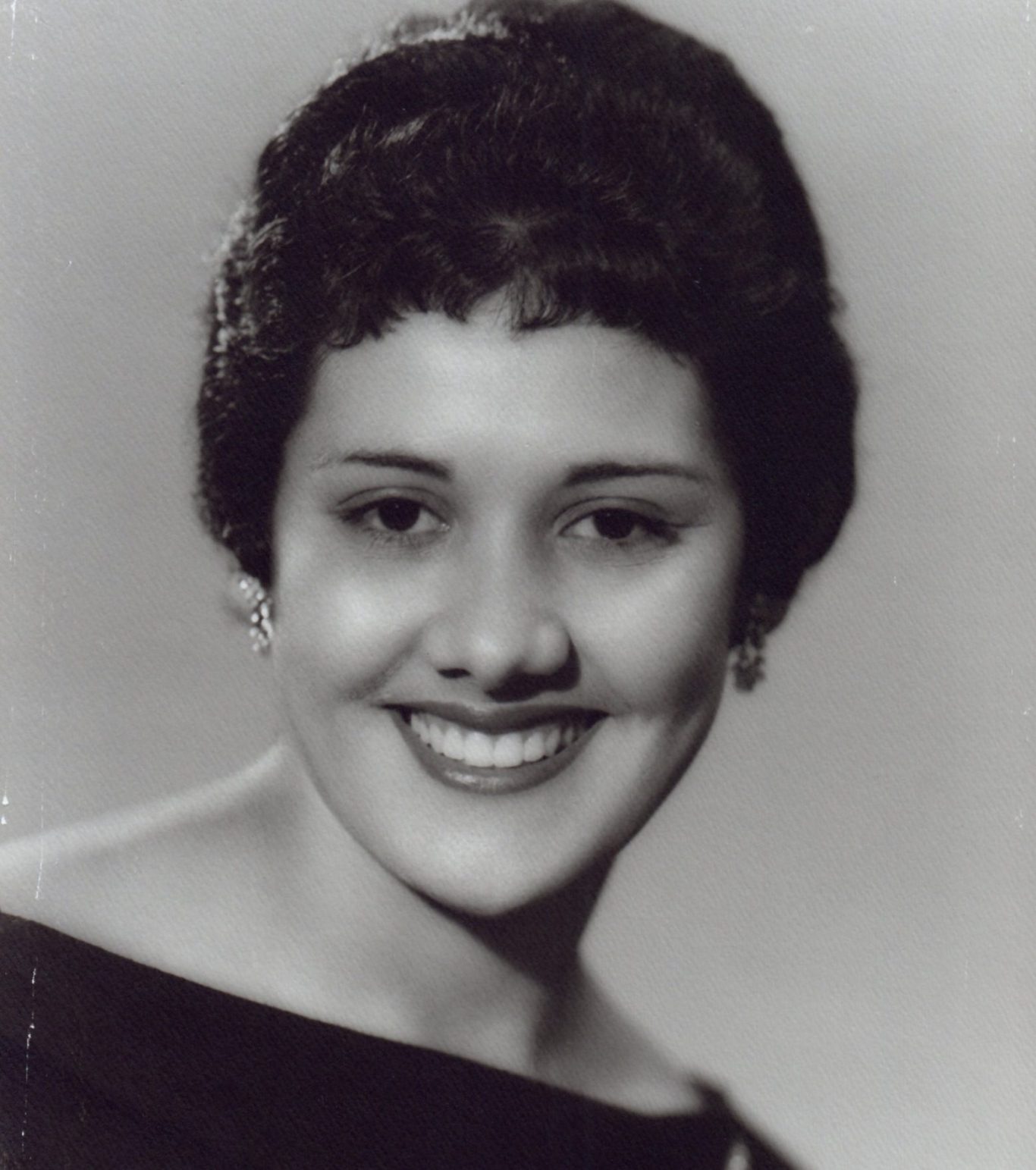
I first met Madeline in San Pedro, California, shortly after returning from a WestPac (Western Pacific) cruise, I believe it was in August 1957.
Richard Garcia had invited a couple of ladies over to his house and asked me to join him and two of his friends. It was a Saturday, and his parents were out of town for the weekend. That evening, his cousin John Estrada and our friend Jim Tafoya had gone on a date. John stopped by the house to borrow a tie, and when he came in with his date, he introduced me to Madeline. That was the first time we met, just a quick hello, nothing special at the time.
A month later, in September, when my brother Fred and Dolores were having their wedding rehearsals, we were asked to participate as the “parents of the groom.” During that time, Madeline and I started talking, and I quickly realized she was a very special young woman, someone I truly wanted to get to know better. I invited her to be my date for the wedding, and she agreed. From that moment on, the rest is history.
A year later, we were married, and we shared sixty-five wonderful years together, until the Lord called her home.
I returned to a civilian world that seemed unfamiliar and indifferent. The structure and discipline of Navy life had been replaced by uncertainty. I no longer had a set schedule, a paycheck every two weeks, or a clear mission. What I did have was determination, and the support of a woman who believed in me.
Wilmington was a working-class neighborhood near the Port of Los Angeles. The air smelled of salt, oil, and diesel. It was a different world from Scottsbluff or even the places I had seen during my Navy travels. Her family welcomed me with cautious warmth, and I did my best to earn their respect. I wasn’t just another sailor passing through, I was serious about making a life.
I knocked on doors, followed up on leads, and filled out applications wherever I could. My girlfriend’s grandmother got me a warehouse job at Pan Pacific Fish Canning Company. It was hard work, but not as bad as working the beet and potato fields.
Those days in California were a test of patience, humility, and perseverance. I learned to navigate city life, adapt to new routines, and face rejection without giving up. I was no longer just a kid from Nebraska or a Navy man, I was a man in search of his place in the world, trying to build something lasting out of love and hard work.
My girlfriend, Madeline Espinosa, and I decided that we would get married in September of 1958. In order for us to have a better future, I made the decision to rejoin the military, this time, as a career. I told her that if she was going to marry me, she would have to agree to this path. She agreed, and in January of 1958, I returned to active duty in the United States Air Force as an Airman First Class.