Cape Lisburne AFS Alaska
Cape Lisburne also DEW (LIZ-1)
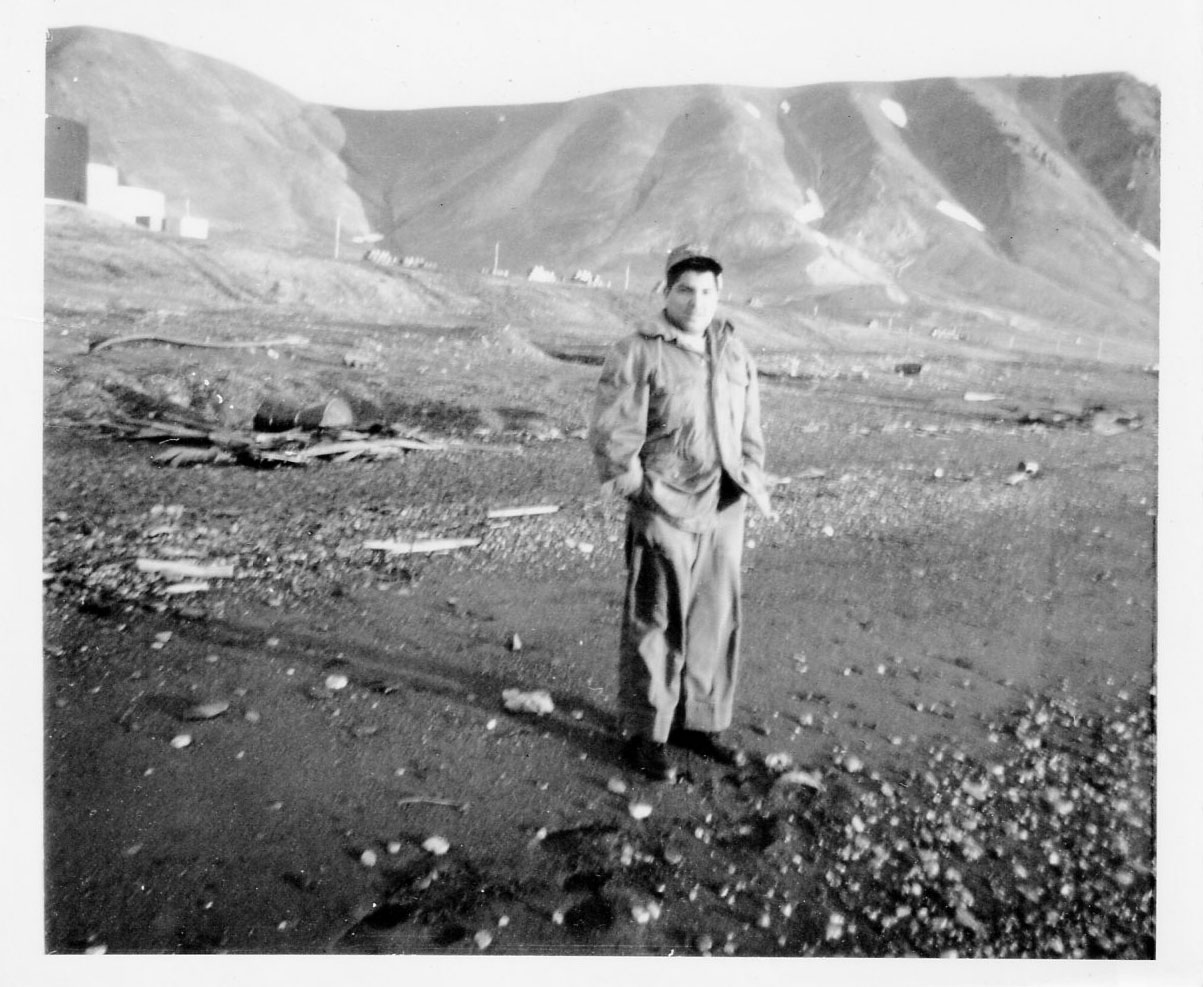
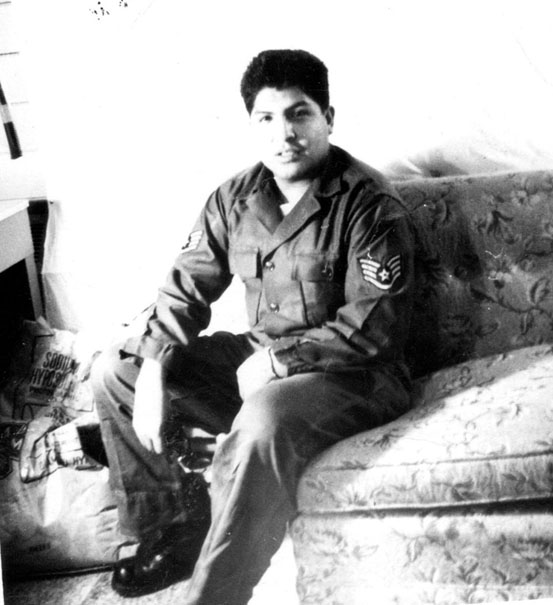
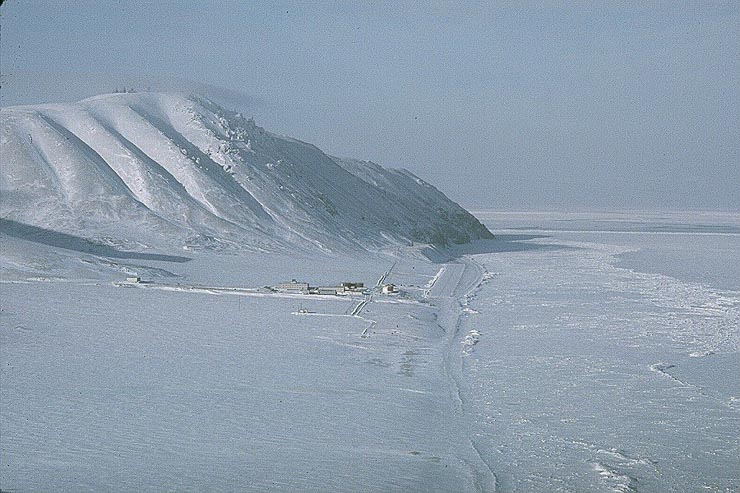
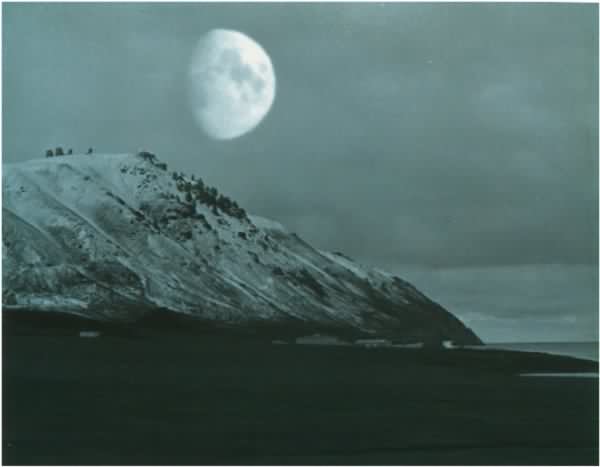
In late September of 1961, I received orders for my next assignment. My journey first took me by air to Seattle, Washington, and then on to Anchorage, Alaska. At Elmendorf Air Force Base, I was given my new duty station: the 711th Aircraft Control and Warning Squadron at Cape Lisburne.
At that moment, I had no idea where Cape Lisburne was located. When I asked at the assignment office, the only response I got was a half-joking warning: “You’ll be sorry, good luck.” That did little to ease my nerves.
Before heading north, I had to complete Arctic survival training. The thought of being stationed in such a remote and unforgiving part of Alaska was daunting, but the training provided me with the basics I would need. With that behind me, I boarded a plane and began the long journey to Cape Lisburne, unaware of just how isolated and challenging this new duty station would be.
Arrival at Cape Lisburne
When I finally arrived, I quickly felt the bite of the Arctic air. Even though it was only late September, the cold cut straight through me. Cape Lisburne, also designated LIZ-1 as part of the Distant Early Warning (DEW) Line, would be unlike anything I had experienced before.
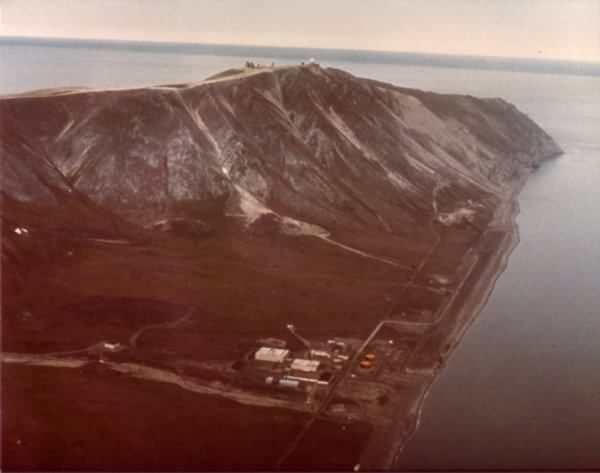
Cape Lisburne lies at the northwest point of the Lisburne Peninsula on Alaska’s Chukchi Sea coast, about 50 miles northeast of Point Hope. It marks the northwesternmost point of North America in relation to the International Date Line. Its gravel runway allowed for air access, but only for resupply and personnel rotation. The most striking landmark was the steep cliffs rising directly from the Arctic Ocean, the only such area north of the Bering Strait with hills over 1,000 feet above sea level.
At the flight line, I saw the man I was sent to replace. He was ready to board the same C-123 that had just dropped me off. Later, I learned why the aircraft didn’t linger long. Because of the constantly changing Arctic weather, flights had to make a quick turnaround, sometimes with only minutes on the ground, before conditions made it impossible to leave.
Life at the Station
On the way to the main buildings, I noticed something unusual: most of the structures were built half-buried into the ground. They weren’t quite underground, but their design helped shield them from the brutal Arctic winds and snow. Once inside, everything was connected by enclosed passageways. You never had to go outside unless you wanted to, or unless your duty required it. This design made life bearable during the long, harsh winter months.
The site had two camps;
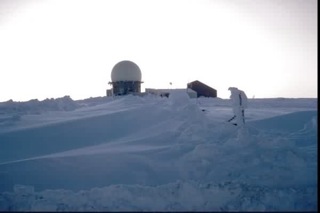
- Top Camp housed the radar sets, antennas, and communications equipment. Radar maintenance personnel lived
there and often spent long periods isolated from the rest of the squadron during the winter months.
- Bottom Camp contained the radar operations room and all other support functions. This was where I served as crew
chief in the secure radar room, overseeing radar operations, the radio room, and crypto communications.
Living accommodations were surprisingly good. Our sleeping quarters were two men to a room, sharing a bathroom with the adjoining room. Meals were excellent right after a resupply, though the quality and quantity declined as spring approached, before the next barge could get through. We also had a large club where we could drink, listen to music, play cards, or just relax, along with a well-equipped gym and sports gear for outdoor activities when weather permitted. Snow tracs were available for exploring the countryside, though if we ventured far, we had to be armed in case of bears or wolves.
Duties and Tensions
My crew consisted of myself, a radar operator, and a radio/teletype operator. Together, we maintained constant surveillance of U.S. and USSR airspace in our sector. Most of the time, it was uneventful, hours passed with little or no air traffic. But whenever the Russians decided to fly, things could become tense very quickly.
They conducted reconnaissance missions along the northern routes, and at times even penetrated our airspace. When that happened, we scrambled fighters out of Champion AFB. The Russians often waited until the very last moment before turning back into their own airspace, keeping everyone on edge.
Coping with Isolation
The isolation was difficult. Some airmen coped by taking correspondence courses, while others took up hobbies like woodworking or painting. A few ventured out to explore the wilderness. Overall morale wasn’t bad, we all wanted to go home, but we accepted our duties as part of serving our country.
Life was simple, without the conveniences people take for granted today, no cell phones, no internet, no modern entertainment. On rare occasions, we were allowed to use the government communications system to speak with our families. Those brief moments of connection meant everything.
In May, I was able to call home and speak with my wife while she was at the hospital for the birth of our daughter, Yvonne. Once again, I had missed the birth of a child due to military service. My heart ached knowing that Madeline had to endure both births alone, but my love and admiration for her only grew stronger.
Departure and Reflection
After enduring a full year of isolation, I felt prepared for anything. By August, my orders finally arrived—I was scheduled to leave Cape Lisburne and return to more familiar ground.
That year of Arctic duty had changed me. I had grown more resilient, more disciplined, and more grateful for the simple blessings of family and home. It was a chapter of sacrifice and growth that I would never forget.